
Electrical power generation is the process of producing electricity from various sources of energy. There are many different methods and technologies that are used to generate electricity, and each has its own unique advantages and disadvantages. In this article, we will explore some of the most common methods and technologies used for electrical power generation, and discuss their benefits and drawbacks.
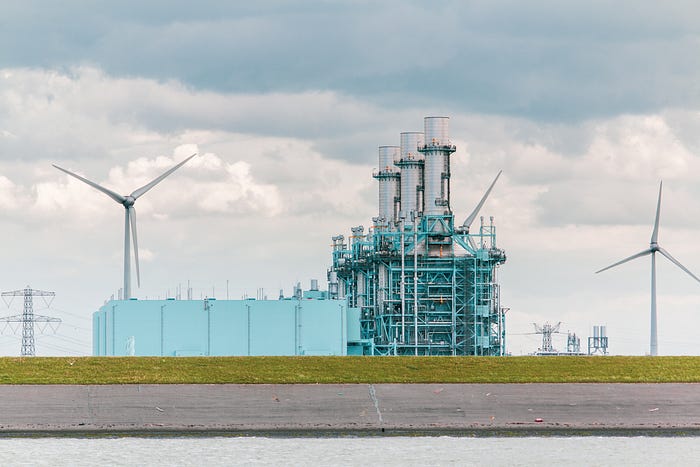
Fossil Fuels
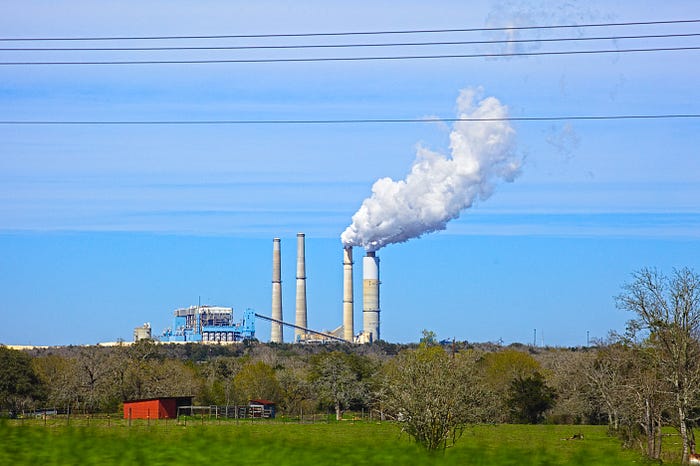
Fossil fuels, such as coal, oil, and natural gas, are a common method of electrical power generation. These fuels are burned to produce steam, which is used to generate electricity in a steam turbine. Steam turbine power plants are highly efficient and can generate large amounts of electricity, but they are also a major source of air pollution and greenhouse gas emissions. The burning of fossil fuels releases carbon dioxide and other greenhouse gases into the atmosphere, contributing to climate change and air pollution. In addition, the extraction and transportation of fossil fuels can have negative impacts on the environment, such as habitat destruction and water pollution.
Another common method of electrical power generation is the use of water power, also known as hydroelectric power.Hydroelectric power is clean and renewable, but it can also have negative impacts on the environment, such as the displacement of communities and the disruption of natural habitats. Dams can alter the natural flow of rivers, leading to changes in water temperature and quality, and can have impacts on fish migration and other aquatic species. In addition, the construction of dams can have negative impacts on the environment, such as habitat destruction and water pollution.
Hydroelectric Power
Hydroelectric power is generated using the energy of falling water in hydroelectric dams. These power plants store water in a reservoir and release it through a series of turbines to generate electricity. Hydroelectric power is clean and renewable, but it can also have negative impacts on the environment, such as the displacement of communities and the disruption of natural habitats. Dams can alter the natural flow of rivers, leading to changes in water temperature and quality, and can have impacts on fish migration and other aquatic species. In addition, the construction of dams can have negative impacts on the environment, such as habitat destruction and water pollution.

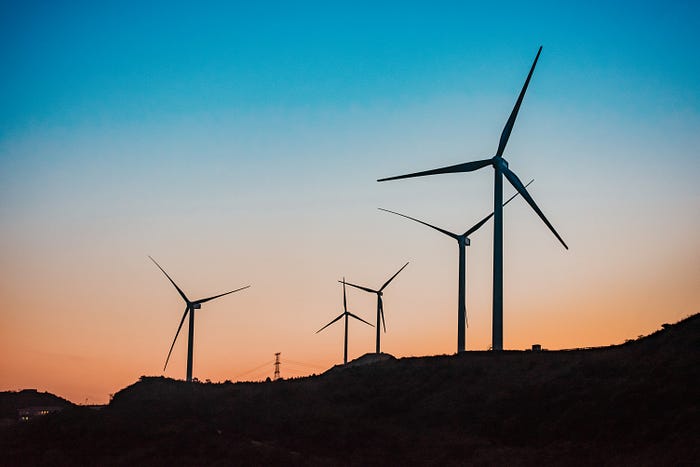
Wind Power
Wind power is generated using wind turbines, which use the energy of the wind to generate electricity. Wind turbines are typically located in areas with strong and consistent winds, such as mountains or offshore locations. Wind power is clean and renewable, but it can also be unpredictable and dependent on weather conditions. In addition, wind turbines can have negative impacts on the environment, such as habitat destruction and noise pollution.
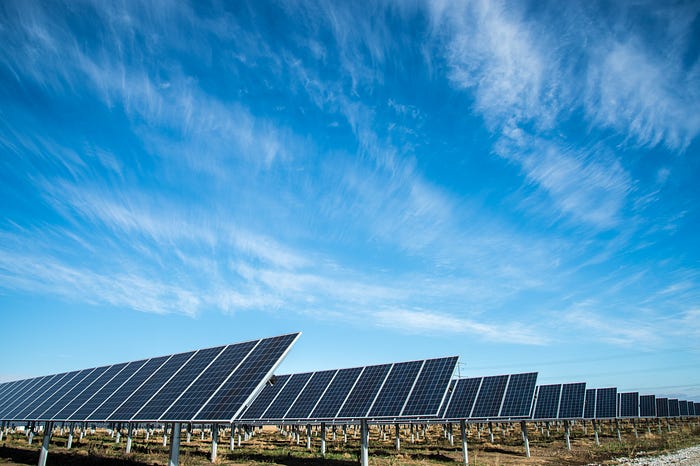
Solar Power
Solar power is generated using photovoltaic cells in solar panels, which convert sunlight into electricity. Solar power is clean and renewable, but it is also dependent on weather conditions and may not be practical in certain locations. In addition, the production and disposal of solar panels can have negative impacts on the environment, such as pollution and waste.
Nuclear Power
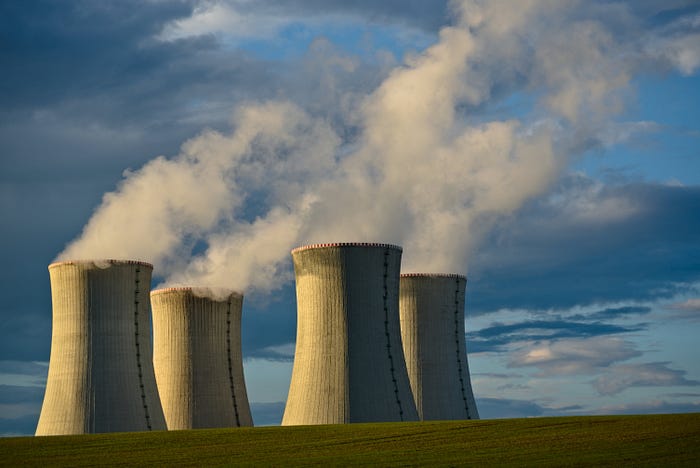
Nuclear power is generated using the energy released from the splitting of atoms in a process called nuclear fission. Nuclear power plants use uranium or plutonium as fuel, and are highly efficient at generating large amounts of electricity. However, nuclear power also has potential safety and environmental concerns, such as the risk of radiation leaks and the disposal of nuclear waste. The production and disposal of nuclear waste can have negative impacts on the environment, such as pollution and radiation exposure. In addition, nuclear power plants can be vulnerable to accidents and natural disasters, which can have serious consequences for human health and the environment.
Conlusion
Electrical power generation is the process of producing electricity from various sources of energy, and there are many different methods and technologies that are used to do so. Some of the most common methods include the use of fossil fuels, such as coal and natural gas, hydroelectric power, wind power, solar power and nuclear power. Each of these methods has its own unique advantages and disadvantages, and it is important to consider the pros and cons of each method in order to choose the most appropriate and sustainable method for a given application. From the highly efficient but polluting fossil fuels, to the clean and renewable but weather-dependent wind and solar power, there are many options to choose from in the quest to generate electricity sustainably and efficiently. As we continue to rely on electricity to power our homes and businesses, it is crucial that we carefully consider the methods and technologies we use to generate it, in order to minimize negative impacts on the environment and ensure a sustainable future.
 Microtech
Leave a comment