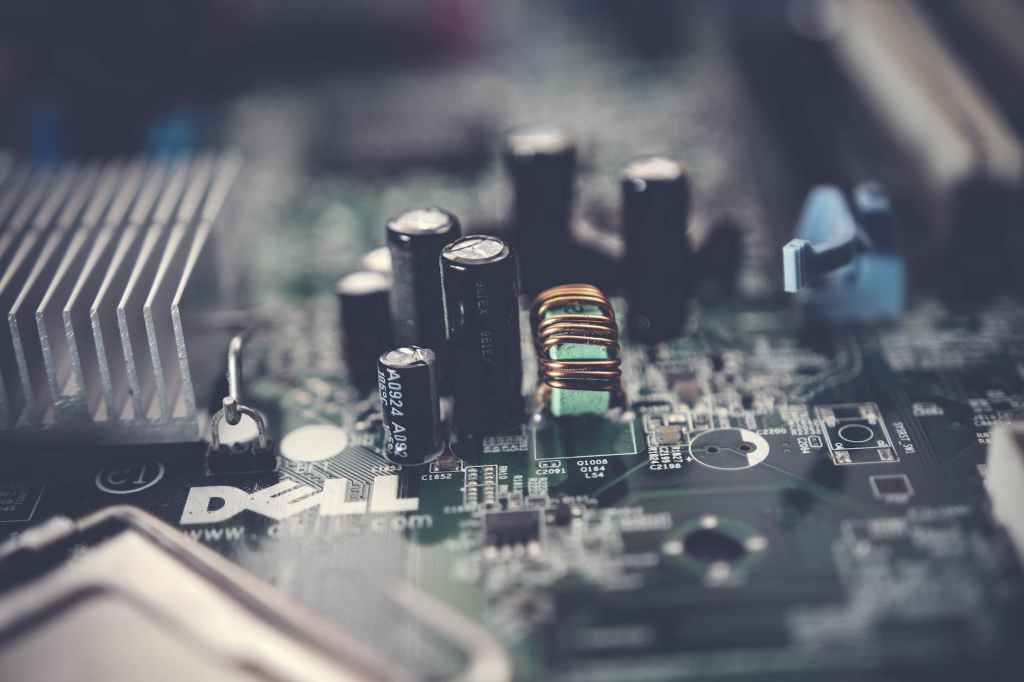
Electrical devices and components are essential components of electrical systems, serving a variety of functions and playing a crucial role in the operation and performance of these systems. From resistors and capacitors to switches and relays, there are many different types of electrical devices and components that are used in a variety of applications. In this article, we will explore the different types of electrical devices and components, as well as their functions and characteristics.
Resistors

Resistors are electrical devices that are used to resist the flow of current in a circuit. These devices are typically used to control the current and voltage in a circuit, and are often used in conjunction with other devices such as capacitors and inductors. Resistors are typically made of a conductor, such as copper or aluminum, and are coated with a material that has a high resistance, such as carbon or metal oxide. The resistance of a resistor is typically measured in ohms (Ω).
Capacitors
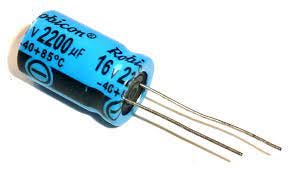
Capacitors are electrical devices that are used to store electrical charge. These devices are typically used to smooth out voltage fluctuations in a circuit, and are often used in conjunction with other devices such as resistors and inductors. Capacitors are typically made of two conductive plates separated by an insulating material called a dielectric. The capacitance of a capacitor is typically measured in farads (F).
Inductors
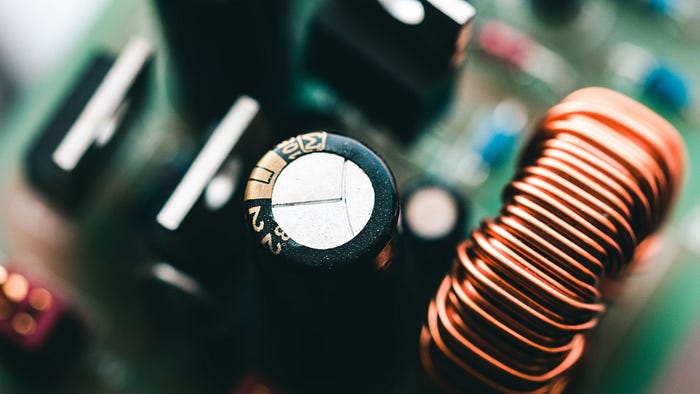
Inductors are electrical devices that are used to store energy in the form of a magnetic field. These devices are typically used to filter out high-frequency signals in a circuit, and are often used in conjunction with other devices such as resistors and capacitors. Inductors are typically made of a conductor, such as copper or aluminum, wound into a coil. The inductance of an inductor is typically measured in henrys (H).
Switches
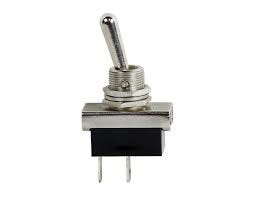
Switches are electrical devices that are used to open or close a circuit. These devices are typically used to control the flow of current in a circuit, and can be manually or automatically operated. There are many different types of switches, including toggle switches, rocker switches, and push-button switches.
Relays
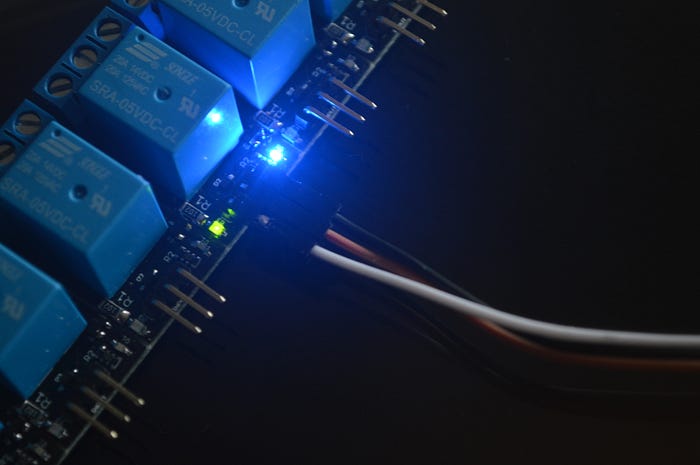
Relays are electrical devices that are used to control the flow of current in a circuit. They are typically used to switch circuits on and off remotely, and are often used in conjunction with other devices such as switches and timers. Relays are typically made of a coil of wire and a set of contacts. When the coil is energized, it creates a magnetic field that activates the contacts, which in turn opens or closes the circuit.
Motors
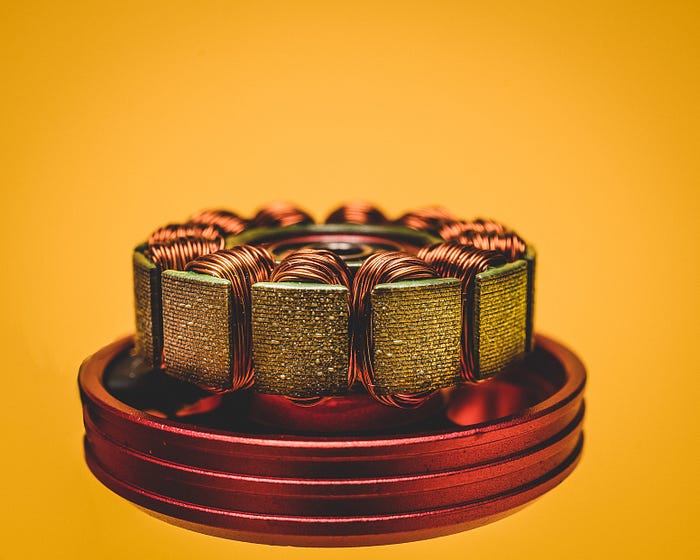
Motors are electrical devices that are used to convert electrical energy into mechanical energy. These devices are typically used to drive mechanical systems, and are often used in conjunction with other devices such as generators and transformers. Motors are typically made of a coil of wire that is surrounded by a magnetic field, and use the principles of electromagnetic induction to generate a force that drives a mechanical device.
These are just a few examples of the many different types of electrical devices and components that are used in electrical systems. Understanding the functions and characteristics of these devices is important for designing and troubleshooting electrical systems and devices.
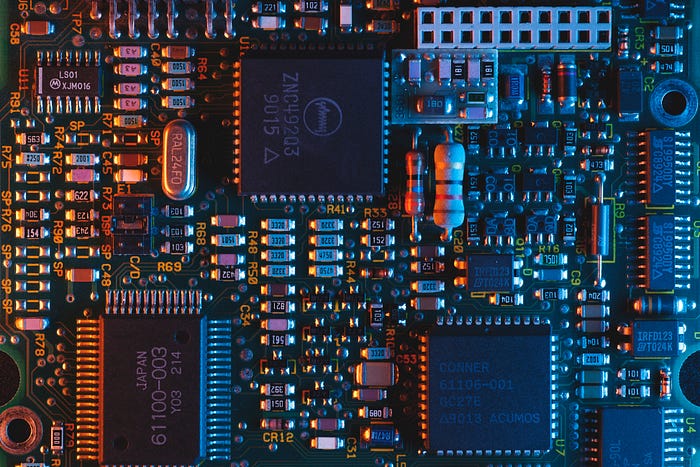
In addition to the devices and components listed above, there are many other types of electrical devices and components that are used in electrical systems, including diodes, transistors, integrated circuits, and more. Each of these devices has its own unique function and characteristics, and is used in a variety of applications.
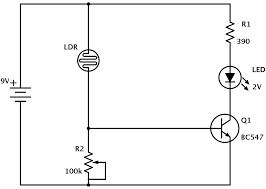
Overall, electrical devices and components play a vital role in the operation and performance of electrical systems. From resistors and capacitors to generators and motors, these devices are used to control and manipulate the flow of electricity in a variety of applications. Understanding the functions and characteristics of these devices is an important aspect of electrical engineering, and is crucial for designing and troubleshooting electrical systems and devices.
 Microtech
Leave a comment