Introduction :
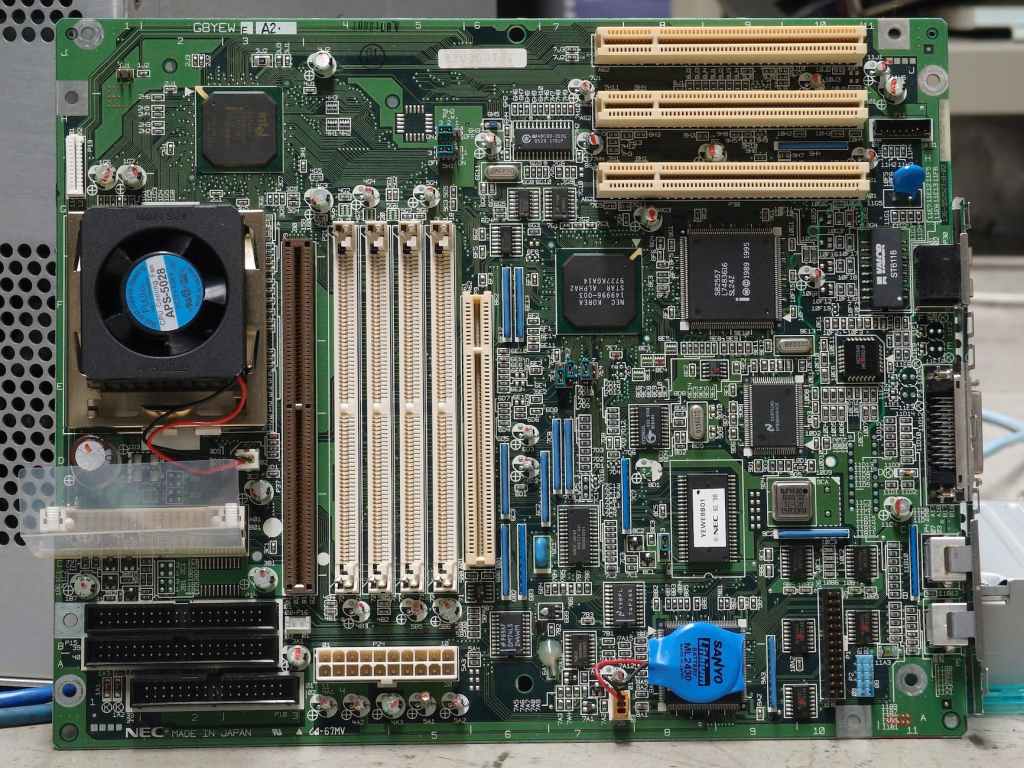
Computer architecture is the science and art of designing the components and organization of a computer system. It is the blueprint that defines how a computer system works and how it is constructed. The field of computer architecture has undergone significant changes and advancements over the years, and this article will take a look at the evolution of computer architecture from its early beginnings to the modern CPUs of today.
I Von Neumann architecture
The first significant change in computer architecture was the introduction of the Von Neumann architecture in the 1940s. This architecture, named after mathematician and computer scientist John Von Neumann, was the first to separate the memory and the processing unit of a computer. Prior to this, memory and processing were combined in a single unit. The Von Neumann architecture allowed for a more efficient use of resources and made it possible to create more complex programs. It also became the foundation for modern computers and the standard architecture used in most computers today.
II The Transistor
The next major development in computer architecture was the introduction of the transistor in the late 1950s. The transistor replaced the vacuum tube, which was the primary component of early computers. Transistors were smaller, more reliable, and consumed less power than vacuum tubes. This allowed for the development of smaller, more powerful computers and also made it possible to create portable and handheld devices. The transistor was a key technology that paved the way for the miniaturization of computers and the development of new technologies such as the microprocessor.
III Microprocessors:
With the introduction of the microprocessor in the 1970s, computer architecture underwent another major change. Microprocessors are small, integrated circuits that contain all the components of a computer’s central processing unit (CPU) on a single chip. This allowed for the development of smaller, more affordable computers, and it also paved the way for the development of personal computers. The use of microprocessors also enabled the development of a wide range of consumer electronics and appliances that are controlled by computer systems.
IV RISC and CISC architectures
RISC and CISC architectures represented different approaches to the design of computer processors. RISC processors used a smaller instruction set, which made them simpler and more efficient. CISC processors, on the other hand, used a larger instruction set, which made them more versatile but also more complex. RISC processors were optimized for performance and required fewer transistors, making them more power-efficient. CISC processors, on the other hand, were optimized for code density and had more complex instruction sets. These architectures had an impact on the development of more efficient CPUs and the increased use of parallel processing.
V Multi-Core processors:
In the early 2000s, computer architecture saw another significant change with the introduction of multi-core processors. These processors have multiple cores, or processing units, on a single chip. This allows for more efficient use of resources and the ability to perform multiple tasks simultaneously. Multi-core processors are now used in a wide range of devices, from smartphones to servers, and have become an essential part of modern computer architecture.
Conclusion:
In conclusion, the evolution of computer architecture has been a constant process of change and development. From the introduction of the Von Neumann architecture to the development of multi-core processors, each new advancement has brought improvements in efficiency, power, and miniaturization. As technology continues to advance, we can expect to see even more changes and developments in computer architecture in the future.
 Microtech
Leave a comment