Introduction :
Embedded systems are computer systems that are integrated into other devices or products to perform specific tasks. These systems are found in a wide range of devices, from smartphones and cars to appliances and industrial machinery. In this article, we will provide an introduction to embedded systems, including what they are and how they work.
Why We Use Embedded Systems and How?
Embedded systems are designed to perform specific tasks, such as controlling a device or monitoring a process. They are often used in applications where a traditional computer would be too large or too power-hungry to be practical. These systems are typically small and low-power, and they are often designed to run for extended periods of time without interruption.
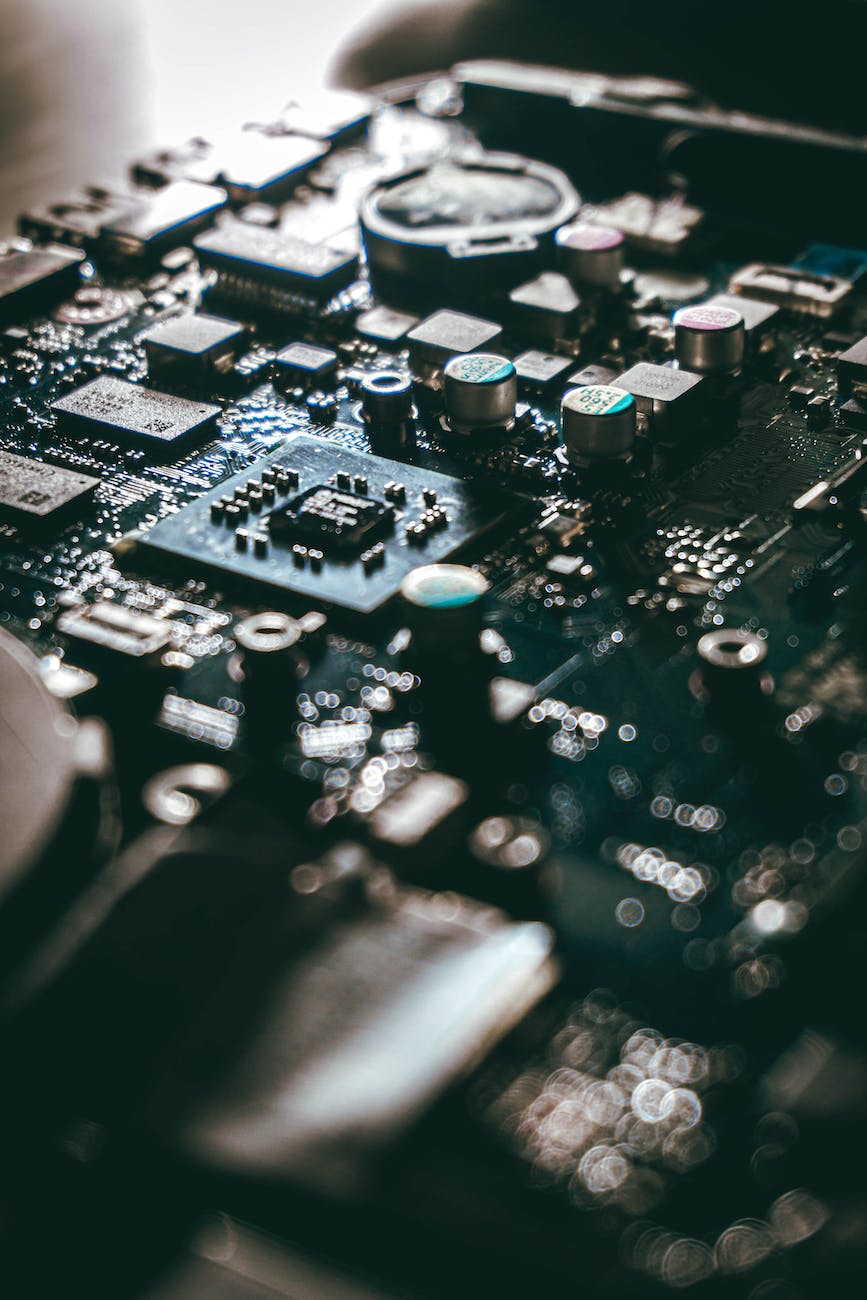
Embedded systems are composed of three main components: a processor, memory, and input/output (I/O) interfaces. The processor is the brain of the system, responsible for executing instructions and controlling the other components. Memory is used to store data and instructions, while I/O interfaces allow the system to communicate with other devices and sensors.
Embedded systems are programmed using specialized languages and tools. These systems often have real-time constraints, and they may require specialized operating systems to meet these requirements. Some embedded systems are also designed to be fault-tolerant, meaning they can continue to operate even in the event of a failure.
Embedded systems are found in a wide range of applications, including consumer electronics, automotive systems, industrial automation, and medical devices. For example, an embedded system might be used to control the engine of a car, monitor the temperature of a refrigerator, or control the lighting in a building.
Embedded systems are also increasingly being used in the Internet of Things (IoT) to connect devices and gather data for analysis and decision making. They are also used in many field of robotics, for example, embedded systems are used for controlling the motors, sensors, and actuators of robots.
Conclusion
Embedded systems are computer systems that are integrated into other devices or products to perform specific tasks. They are designed to be small and low-power, and they are often used in applications where a traditional computer would be too large or too power-hungry to be practical. They are composed of three main components: a processor, memory, and input/output (I/O) interfaces. Embedded systems are programmed using specialized languages and tools, and they often have real-time constraints and may require specialized operating systems to meet these requirements. These systems are found in a wide range of applications, including consumer electronics, automotive systems, industrial automation, and medical devices. With the increasing use of the Internet of Things (IoT), embedded systems are becoming even more important as they play a crucial role in connecting devices and gathering data for analysis and decision making. The use of embedded systems will continue to grow as technology advances and new applications are developed, making them an essential part of our daily lives.
 Microtech
Leave a comment