
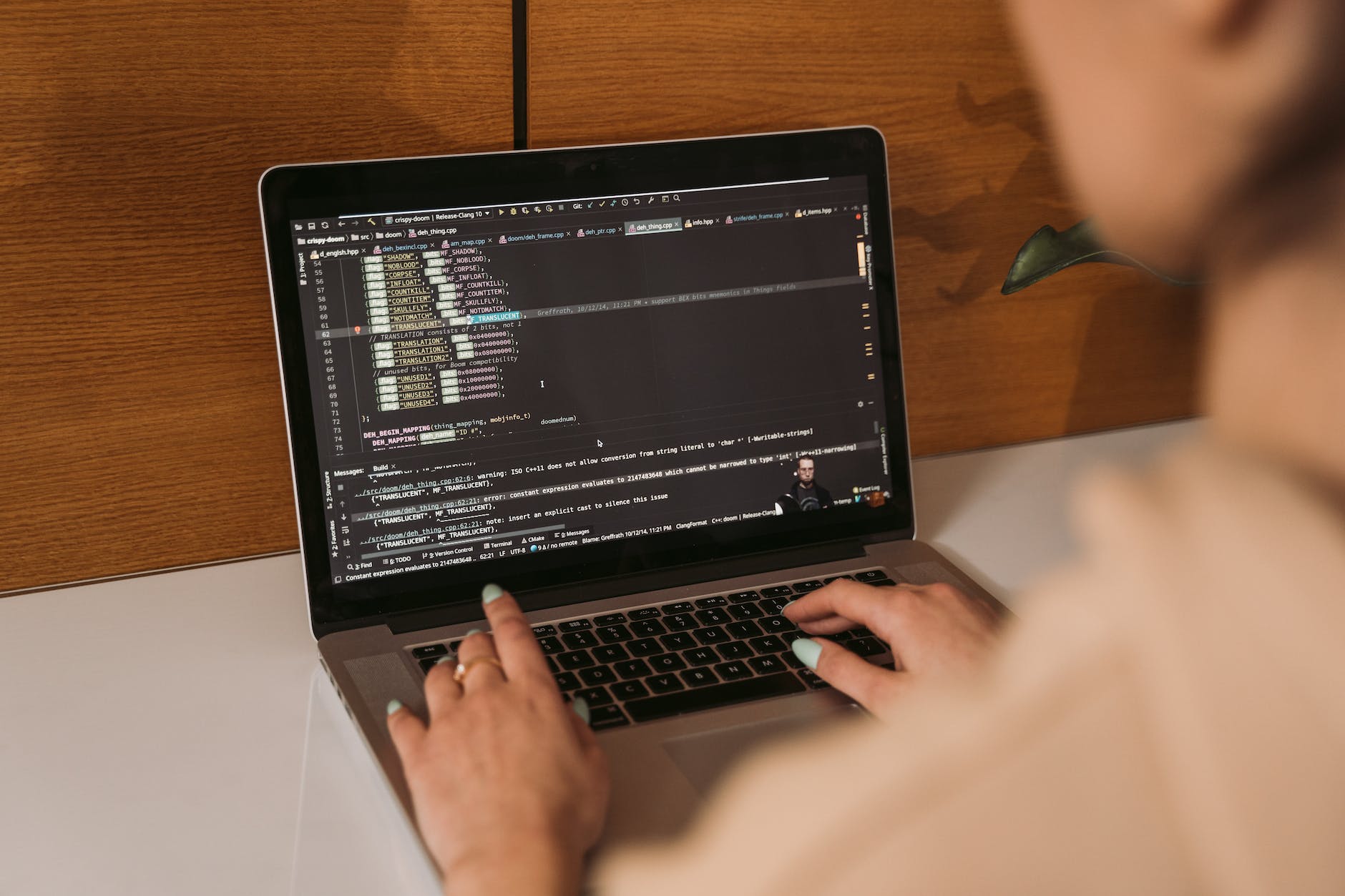
Writing clean and efficient code is essential for creating high-quality projects. Whether you’re a seasoned developer or just starting out, there are a few key tips that can help you write code that is easy to understand, maintain, and improve. In this article, we’ll go over 10 tips for writing clean and efficient code.
- Use clear and descriptive variable and function names: One of the most important things you can do when writing code is to use clear and descriptive variable and function names. This will make it much easier for others (or yourself) to understand what the code is doing, and will help reduce the risk of errors. When naming variables, use words that accurately describe the data they hold. And when naming functions, use words that accurately describe the action they perform.
- Keep your code organized: Another important aspect of writing clean code is keeping it organized. Use indentation and white space to separate code blocks and make it easy to read. This will help others understand the flow of your code, and will make it easier for you to come back to the code later and make changes.
- Avoid using global variables: Global variables can lead to naming conflicts and make it harder to understand the flow of your code. Instead, use local variables that are specific to a particular function or block of code. This will help reduce the risk of errors and make it easier to understand the code.
- Use comments to explain what your code is doing: Comments are an essential tool for explaining what your code is doing. They allow you to leave notes and explanations that will help others understand the code, and they will also help you remember what you were thinking when you wrote the code. Be sure to use clear and concise language when commenting your code.
- Keep your code simple: Avoid using overly complex solutions to simple problems. Simple code is usually easier to understand, debug, and maintain. If you find yourself writing complex code, take a step back and see if there’s a simpler way to solve the problem.
- Use libraries and frameworks: Libraries and frameworks can save you time and effort by providing pre-built code that you can use in your projects. They can also help keep your code consistent and reduce the risk of errors. Be sure to use libraries and frameworks that are well-maintained and have a good reputation.
- Test your code thoroughly: Testing is an essential part of the development process. It helps you catch bugs early and ensures that your code is working as expected. Be sure to test your code at every stage of development, and use automated testing tools whenever possible.
- Use version control: Version control is a system that allows you to keep track of changes to your code. It makes it easy to revert to a previous version if needed, and it also makes it easy to collaborate with other developers. Be sure to use a version control system like Git and make it a habit to commit your code regularly.
- Keep your code up-to-date: The world of programming is constantly changing, so it’s important to stay current with the latest best practices and technologies. This will help you stay competitive and ensure that your code is of the highest quality.
- Keep learning: Finally, one of the most important things you can do to improve your code is to keep learning. The more you know, the more you’ll be able to do, and the better your code will be. Be sure to read books, articles, and blog posts on programming, and take advantage of online courses and tutorials.
By following these tips, you’ll be well on your way to writing clean and efficient code that is easy to understand, maintain, and improve. Remember that writing clean code is not about writing code that is perfect, but about writing code that is easy to understand, maintain, and improve. It’s about making the code readable, predictable, and consistent. When you write clean code, you make it easy for other developers to understand what you’ve done and to build upon your work.
In conclusion, writing clean and efficient code is essential for creating high-quality projects. By using clear and descriptive variable and function names, keeping your code organized, avoiding the use of global variables, using comments, keeping your code simple, using libraries and frameworks, testing your code thoroughly, using version control, keeping your code up-to-date and keeping learning, you’ll be well on your way to writing clean and efficient code that is easy to understand, maintain, and improve. Remember to always focus on the readability, maintainability, and performance of your code, and you’ll be able to create high-quality projects.
 Microtech
Leave a comment